








LAS VEGAS, NV — Are rents actually falling in Las Vegas? The answer depends largely on which rental market is being measured. The Las Vegas Review-Journal recently reported that data supplied by Zumper showed Las Vegas-area rents experiencing 13 consecutive months of year-over-year declines beginning in August 2025. According to the report, one-bedroom rents were…
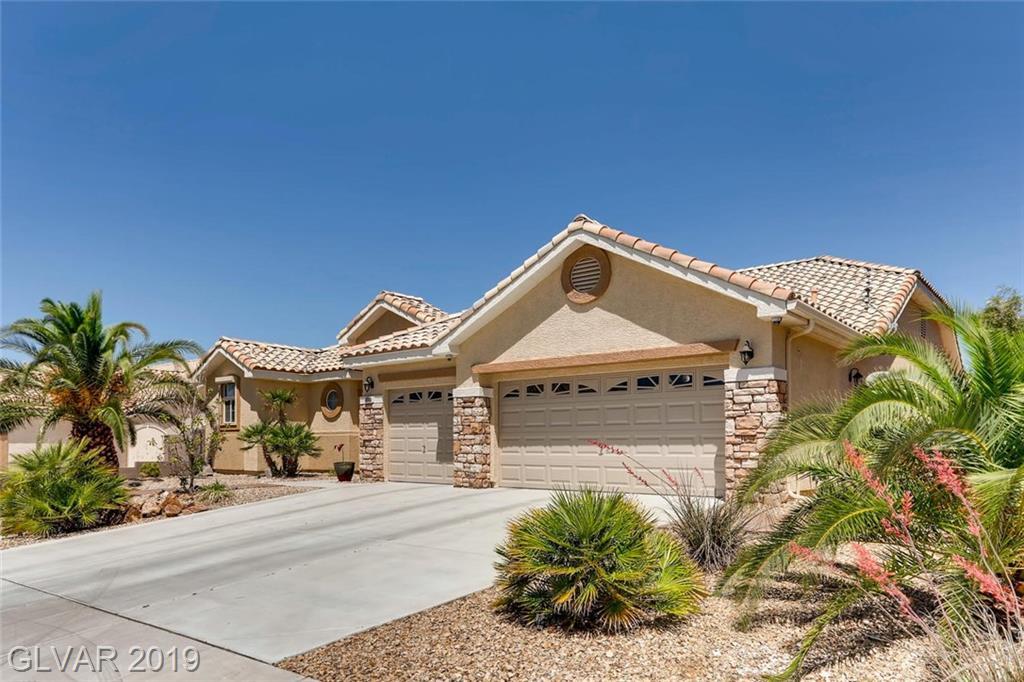

LAS VEGAS, NV – Las Vegas landlords are facing increased competition for renters as new data shows rental concessions have become unusually common across the valley. According to Realtor.com Economic Research’s August 2026 Rental Report, 69.6% of 0-2 bedroom rental listings in the Las Vegas–Henderson–North Las Vegas metropolitan area offered some form of concession in…
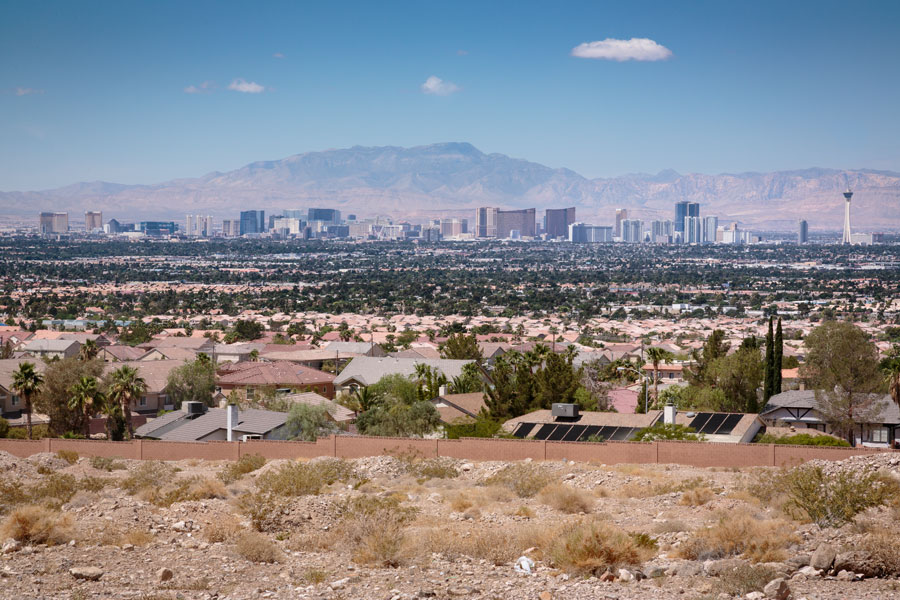
LAS VEGAS, NV – Southern Nevada’s rental market slowed in August, with fewer properties leased and fewer new rental listings than during the previous month, while the average price of completed leases increased sharply. According to newly released data from the Las Vegas REALTORS® residential rental market, 1,889 residential rental units were leased during August,…
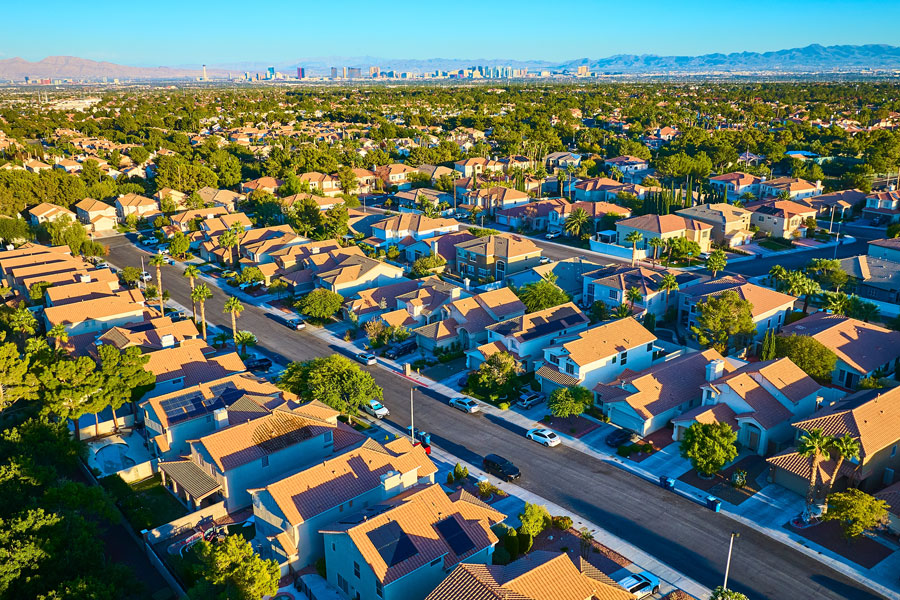
LAS VEGAS, NV – For Las Vegas homeowners considering a move, one of the most important questions may no longer be simply when should I sell? Increasing housing inventory, longer selling times and relatively stable rental pricing are creating another option worth considering: renting the property instead of selling it. New August 2026 data from…

LAS VEGAS, NV – Clark County is still expected to add hundreds of thousands of residents over the next several decades, but a newly released population forecast indicates that Southern Nevada may grow considerably more slowly than previously projected. The 2026 population forecast from the University of Nevada, Las Vegas Center for Business and Economic…
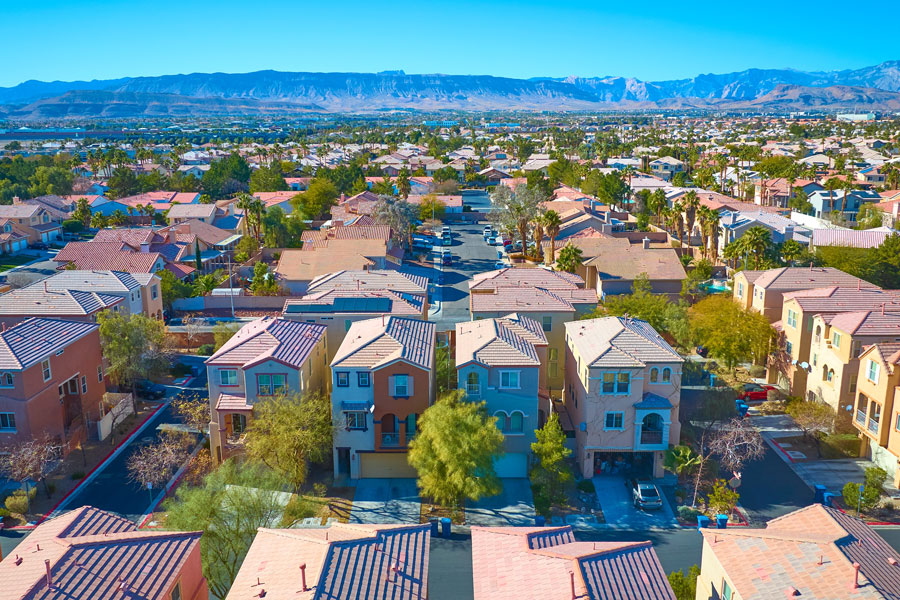
LAS VEGAS, NV – Southern Nevada’s rental market remained active in July, with more properties leased, a sharp increase in new rental listings and a modest increase in the median price of completed leases. According to newly released data from the Las Vegas REALTORS® residential rental market, 2,199 residential rental units were leased during July,…

LAS VEGAS, NV – New Nevada homeowners association rules that took effect July 1, 2026, could affect whether property owners are permitted to rent homes located within HOA communities throughout Las Vegas, Henderson and the surrounding region. The changes were enacted as part of Nevada Assembly Bill 396, a broader housing measure approved by the…

LAS VEGAS, NV – Newly released rental data from Realtor.com shows that asking rents for smaller rental properties declined across the Las Vegas metropolitan area in June, providing additional evidence that renters are gaining choices even as larger and higher-priced rental homes continue to perform well. According to the Realtor.com June 2026 Rental Report, released…
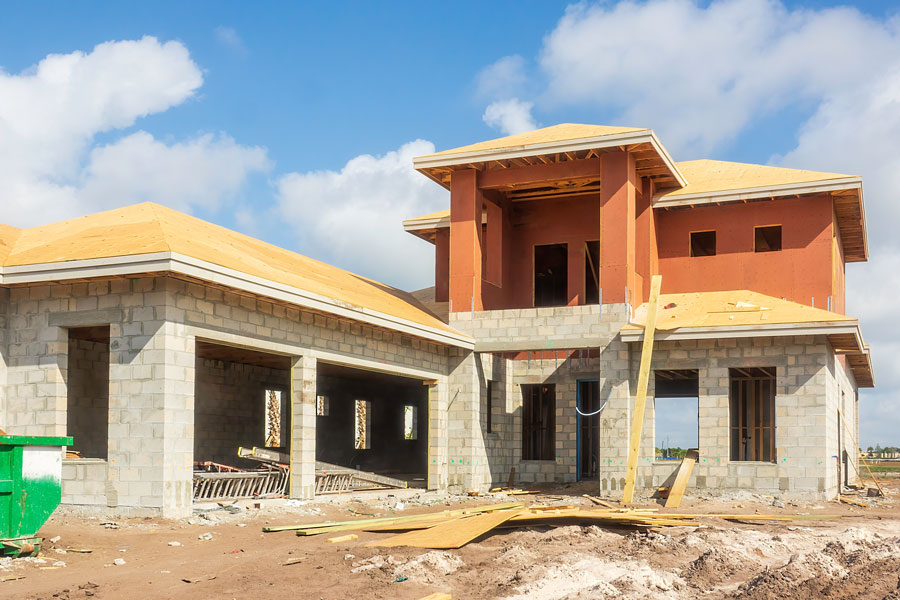
LAS VEGAS, NV – New housing construction data released Friday suggests conditions that could continue supporting demand for rental housing in fast-growing markets such as Las Vegas, where population growth has remained strong and the pace of new single-family home construction has slowed. According to the latest U.S. Census Bureau and U.S. Department of Housing…

LAS VEGAS, NV – Southern Nevada’s rental market produced one of its more unusual monthly reports in June, as average lease prices climbed sharply while the median rent remained unchanged. According to newly released data from the Las Vegas REALTORS® Multiple Listing Service (MLS), the average price of residential rental units leased in Southern Nevada…
LAS VEGAS, NV – If your Las Vegas home has been on the market for weeks or even months without receiving an acceptable offer, you’re not alone. Many homeowners are finding that today’s market requires patience, strategic pricing, and flexibility. One of the most common questions we hear is: “Is my real estate agent doing…

LAS VEGAS, NV – For much of the past several years, Las Vegas landlords enjoyed a strong rental market. Available homes were leased quickly, rental rates climbed rapidly, and tenants often had limited options when searching for housing. However, market conditions are beginning to shift. While Las Vegas remains a healthy rental market overall, the…