





Rental ApplicationTenant LoginMarket UpdatesCall Us:702-376-7379


Search results for : NFL

File photo: SaiArLawKa2, Shutter Stock, licensed.

Seven Things Your Agent Should Know About Your Mortgage Approval

While many experienced real estate agents have a general understanding of the mortgage approval process, there are a few important details that frequently get overlooked which may cause a purchase to be delayed or denied.

New regulation, updated disclosures, appraisal guidelines, mortgage rate pricing premiums, credit score, secondary approval layering, rescission deadlines, property type, HOA insurance requirements, title and property flip rules are just a few of the daily changes that can have a serious impact on a borrower’s home loan financing.

With today’s volatile lending environment, it’s obviously important for home buyers to get a full loan approval which clearly defines all contingencies they pertain to each unique home buyer’s scenario prior to spending any time looking at new homes with an agent.

Either way, we’ve listed a few of the top things your agent should keep in mind while showing you new properties:

Caution – Agents Beware:

Property Type –

High-Rise, Condo, Town House, Single Family Residence, Dome Home or Shoe House… all have specific lending guidelines that can influence down payment, credit score and mortgage insurance requirements.

Residence Type

Need to sell one home before moving into another? Is a property considered a second home if it’s in the same city?  What if I’m buying a home for my children to live in, it is still considered an investment property?

These are just a few of several possible residence related questions that should be addressed by your agent and loan officer at the initial loan application.

Rates / Locks

Mortgage Rates are typically locked for a 30 day period, and one of the only ways to get a new rate is to switch mortgage lenders.  Rates also have certain adjustments for property / residence type, credit score and down payment which could have a big impact on monthly payments and therefore approvals.

A 1% increase in rate could literally mean the difference between an approval or denial.

Headline News / Employment

Underwriters watch the news as well.  Borrowers who work in a volatile industry during hard economic times may have to jump through a few extra hoops to prove that their employment and income is secure.

Job changes, periods of unemployment or property location in relation to the subject property are other things to consider that may cause a speed bump in the approval process.

Title / Property Flip –

A Flip is considered a property that has been purchased by an investor and quickly sold to a new buyer within a 30-90 day period.  Generally, an investor will do a little rehab work, fresh paint, landscaping…. and try to re-sell the property for a significant profit margin.

While it seems like a perfectly fair transaction, many lenders have strict guidelines in place that prevent borrowers from obtaining financing on properties that have a previous owner with less than 90 days of documented ownership.

These rules change frequently, and are specific to particular property types, so make sure your agent is aware of all the boundaries associated with your approval letter.

Homeowner’s Association Insurance

Some lenders require Condos and Town House communities to have sufficient insurance and reserves coverage pertaining to specific ratios on units that are owner occupied vs rented.

It may also take a few weeks and cost up to $300 to receive an HOA Certification, so make sure your Due-Diligence period is set accordingly in the purchase contract.

Appraisal Ordering Procedures

Appraisal ordering guidelines are changing quite frequently as regulators implement many new consumer protection laws created to prevent future foreclosure epidemics.

Unfortunately, some of the new appraisal regulations have proven to slow the home buying process down, as well as confuse lenders about the true estimate of neighborhood values.

VA, FHA and Conventional loans programs all have separate appraisal ordering policies, so make sure your agent is aware of which loan you’re approved for so that they document any anticipated delays in the purchase contract.

For example, if an appraisal takes three weeks and the average time for an approval is two weeks, then it probably isn’t smart to write a purchase contract with a four week close of escrow.

_________________________________

Related Articles – Home Buying Process:

8 Questions Your Lender Should Be Able To Answer About Mortgage Rates

Simply checking online for today’s posted rate may not lead to your expected outcome due to the many factors that can cause each individual rate and closing cost scenario to fluctuate.

We can preach communication, service and education all day long, but it’s our ultimate goal to earn your trust so that you can be confident in our ability to successfully lead you through this complex mortgage process.

While mortgage rates can change several times a day, the following questions will help you qualify whether or your lender truly knows what to look for so that they can provide you with the best rate once you’re in a position of locking in your loan:

Who determines mortgage rates, and what are they tied to?

Mortgage interest rates are determined by the pricing of Mortgage Backed Securities or Mortgage Bonds. The media often implies mortgage rates are based off the 10-year Treasury Note, which is incorrect.

While the 10-year Treasury Note has been known to trend in the same direction as Mortgage Bonds, it is not unusual to see them move in completely opposite directions.

How often do mortgage rates change?

Mortgage rates may change throughout the day, however they only change on days when the Bond markets are trading securities since mortgage rates are based on Mortgage Bond prices.

Think of a Mortgage Bond’s sales price similar to that of a Stock that trades up and down during the course of a day.

For example, the FNMA 30-Year 4.50% coupon is selling for $100.50. The price is 50 basis points lower from the previous day’s closing price of $101.00. In simple terms, the borrower would have to pay an additional .50% of their loan amount to have the same rate today that they could have locked in the previous day. Alternatively, the borrower would also have the option of increasing their rate by an average of .125%.

What causes mortgage rates to change?

Mortgage Bonds are largely effected by various market forces that influence the changing demand for bonds within the market. Some of the key economic factors that have the greatest impact are unemployment percentages, inflationary fears, economic strength and the overall movement of money in and out of the markets.

Like stocks, most fluctuation is caused by consumer and investor emotions.

What do you use to monitor mortgage rates?

There are several great subscription based services available to monitor Mortgage Bond pricing.

The key is to make sure the lender is aware they should be monitoring Mortgage Bond pricing, such as the Fannie Mae 30-Year 4.50% coupon, and not the 10-Year Treasury Note or the news media.

When the Fed changes rates, why do mortgage rates move in the opposite direction?

It is a common misconception that when the Federal Reserve implements a rate cut it is immediately correlated to a reduction in mortgage rates.

The Federal Reserve policy influences short term rates known as the Fed Funds Rate (“FFR”). Lowering the FFR helps to stimulate the economy and increasing the FFR helps to slow the economy down. Effectively, cutting interest rates (FFR specifically) will cause the stock market to rally, driving money out of bonds and creating potential for inflation.

Mortgage Bond holders need to obtain a higher rate of return on their money if inflation is increasing, thus driving up mortgage rates. With the Federal Reserve Board meeting every six weeks, this is an important question to ask. If your lender does not have a firm understanding of this relationship, they may leave your rate unprotected costing you thousands of dollars over the life of your mortgage.

Do different programs have different interest rates?

Conventional, FHA and VA loans can all carry different rates on a 30-Year fixed mortgage. FHA and VA loans are insured by the Federal Government in the event of defaults. Conventional mortgages are insured by private mortgage insurance companies, if insurance is required.

Typically, FHA and VA loans carry a lower rate because the investor views the government backing as less of a risk. While rates are usually different for each program, it may be more important to compare the monthly and overall cost during the life of the loan to determine which program best suits your needs.

Why is an Adjustable Rate Mortgage (ARM) rate lower than a fixed rate mortgage?

An Adjustable Rate Mortgage (ARM) is usually fixed for a specific period of time. The period is typically 6 months, 1 year, 3 years, 5 years or 7 years. The shorter time period the rate is fixed, the lower the interest rate tends to be initially.

This is due to the borrower taking the future risk of increasing interest rates. The only instance where this would not be true is when there is an inverted yield curve where short-term rates are higher than long-term rates.

Why are rates higher for different property residence types?

Mortgage interest rates are based on risk-based pricing. Risk-based pricing allows adjustments to par pricing for risk factors such as; FICO scores, loan-to-value percentages, property type (SFR, Condo, 2-4 Units), occupancy (Primary, Vacation or Investment) and mortgage type (Interest Only, Adjustable Rate etc).

This allows the investors who lend their money for mortgages to receive additional compensation for taking additional risk. An example is if the borrower encounters a financial hardship, are they more likely to make the payment on the home they live in or the one they rent?

_________________________________

Woman standing inside a property holdinjg a folder or clipboard.

Understanding the Difference Between an Appraisal vs Neighborhood Listing Prices

Why is there such a difference between what my appraised value is and the price similar homes are selling for on my street?

It’s a great question, and you don’t have to be a mortgage professional or a real estate agent to understand the answer. The distinction lies in the purpose of the two valuations and who is responsible for creating them.

Appraisals:

The purpose of an appraisal is to make sure that an independent non-interested third party verifies the “most likely” sale price based on the market value and condition of the home.

Appraisals are meant to be a realistic determination of the value of a home if it were to sell in the current market, in its current condition.

In addition, appraisers are governed by rules intended to standardize the subjective process of determining a home’s value.

Some of the key factors appraisers look at are: Location, above ground size, room count, bathroom count, style of home, condition of property, amenities, and market conditions such as how long it takes for home to sell and if values are increasing, decreasing or steady.

Appraisers are also asked to look only at comparable sales within a certain distance, usually one mile except in rural areas, and within a specified period of time, which is 3 months in the current market.

Listing Prices:

Listing prices on the other hand are influenced by the real estate agent, and but set by interested and often emotional sellers.

Sellers are not held by any rules when they list a home. In some cases, sellers take what they paid for the house, add what they have spent on improvements and even add amount for profit.

Often times, sellers will list their home based on the amount needed to pay for the real estate agent, closing costs and cover the amount of the mortgages.

Extra low prices are generally the result of an extra motivated seller that has to sell and move in a rush, so they’ll list their property below market comps in order to be the most competitive.

Throw in bank owned homes (foreclosed properties), and listing prices may be all over the place without a logical explanation due to an asset manager making decisions from another part of the country.

The Verdict:

While list price is never a good indication of what a home in your neighborhood is worth, appraisals are not an exact science that will determine the true value of your home either.

Some will argue that a home is worth what people will pay for it, so there’s obviously a little room for personal interpretation.  Either way, the bank securing that piece of real estate for a mortgage loan generally always has the final opinion that matters the most.

_________________________________

Related Appraisal Articles:

Buying

Assembling Your Home Buying Team – Knowing The Players

Buying a new home is literally a team sport since there are so many tasks, important timelines, documents and responsibilities that all need special care and attention.

Besides working with a professional team that you trust, it’s important that the individual players have the ability to effectively communicate and execute on important decisions together as well.

Real Estate Agent –

A Realtor® is a licensed agent that belongs to the National Association of Realtors®, which means they are pledged to a strict Code of Ethics and Standards of Practice.

A few of the important roles your agent performs:

  • Determine your home buying needs
  • Define your property search criteria – neighborhoods, school districts, local amenities…
  • Provide insight on market trends, potential for property values
  • Negotiate purchase contracts
  • Pay attention to due-diligence periods and other important timelines
  • Articulate inspection and appraisal reports
  • Professionally estimate fair market value on listings

A common misconception of many First-Time Home Buyers is that hiring a real estate agent will end up costing more money.

However, the typical arrangement in a purchase transaction is for the seller to cover the buyer’s agent commission.  In some cases where a new home developer or For Sale By Owner is listing a property and offering a lower price to deal direct, it is still a good idea to have an agent in your corner to protect your financial and investment interests.

Considering that some buyers may see 5-7 real estate transactions in a lifetime, compared to an agent that closes the same amount in a month, it is obvious to see that there is a big advantage to having the ability to rely on that experience when your home and security is on the line.

Mortgage Professional

A mortgage professional (loan officer, mortgage planner, loan consultant, etc.) is the glue that holds the entire transaction together (biased comment).

In addition to establishing the purchase price and monthly payment a borrower can qualify for, the mortgage team will also need to communicate with all of the other players on the home buying team throughout the entire process.

To highlight a few details your mortgage team is paying attention to:

  • Initial pre-qualification to determine purchase price / loan amount
  • Explain all loan program options that may fit your investment goals
  • Collecting / organizing loan approval documents
  • Watching economic indicators that influence daily rate changes
  • Locking rates
  • Communicating with title / escrow officers
  • Submitting loan package to underwriting departments
  • Updating disclosure / GFE paperwork within proper time frames
  • Following funding through the final recording
  • Tracking inspections, insurance and other lending requirements
  • Post closing follow up and quarterly rate / program monitoring

Insurance Agent

The lender in any mortgage transaction will require a homeowner’s insurance policy (hazard insurance).

This policy protects the property in the case of fire, theft or other damage (except flood or earthquake, those are separate policies and may be optional).

If it is determined that the property that you want to purchase is in a flood zone, flood insurance is not optional, it is mandatory.

The flood zone determination will be done with a “flood certification” from a third-party provider.

Title and Escrow –

It is possible to have a title company and an escrow officer work for different companies.

Also, some states use closing attorneys and there are still a few states where they use abstract of title instead of title insurance.

In most purchase transactions, the seller has the option of choosing the title company.

The title and escrow officers are often thought of as the same role, but in reality are quite different positions.

The title officer takes care of all issues that have to do with the title (also referred to as the deed) of the property.

The lender will always require a title insurance policy guaranteeing that the title is free and clear of all liens except those being filed by the lender.

Escrow takes care of receiving, signing, and notarizing the final loan documentation, as well as collecting the other paperwork associated with the home sale.

The escrow officer is a neutral third party that makes sure no money is transferred until all conditions for each side are met.

The money management of an escrow company include:

Finally, the escrow officer will see that you are properly recorded as the new owner with the county.

Home Inspector

When you have found the home that you like, it is a wise idea to have a professional take a look at the home to see if there is there are any issues with the property that could be a problem in the future.

Even though some buyers have an “Uncle Joe” who has owed several homes and knows what to look for, a certified Home Inspector can be money well spent.

They will look at the functionality of the home to make sure the electrical, plumbing and physical aspects of the home are strong, which will help the buyer make an educated decision about following through with the purchase, or renegotiating certain aspects of the contract.

Keep in mind, the home inspector and appraiser have different jobs. An appraiser determines value, while the inspector is to look for structural problems, defects or maintenance issues.

The inspector is doing this strictly for the buyer’s sake. The lender is not concerned if a faucet has a minor leak as long as the property is worth the sales price. Therefore, the lender generally does not require an inspection unless the purchase contract requires one.

So, an inspection is not required, but it is recommended. As a matter of fact, one of the forms in an FHA application package is one that says “For Your Protection: Get a Home Inspection.”

Who knew that HUD was poetic.

Appraiser

While the appraiser is typically never seen by the home buyer, an appraisal is obviously an important component of a home purchase transaction.

The appraiser will conduct an analysis of the property to determine the current market value. The bank will always require an appraisal, and in some cases need a second opinion of value if the program guidelines or loan amount require it.

Appraisers compare the sales prices of similar properties sold in the neighborhood and surrounding areas with the subject property.

This can be a very tricky process, especially if there are few properties to choose from, or if there is an overwhelming amount of foreclosures and short sale listings.

Now, since two homes are rarely identical, the appraiser has the job of comparing apples to apples, sometimes red delicious to yellow delicious, or sometimes Fuji to winesap.

When done, the estimate of value is given.

If that value is below the purchase price, then negotiation may take place.

If it is above the purchase price, we are ready to go forward.

_________________________________

Related Articles – Home Buying Process:

Interest Rates APR

What’s The Difference Between Interest Rate and Annual Percentage Rate (APR)?

The difference between APR and actual note rate is very confusing, especially for First-Time Home Buyers who haven’t been through the entire closing process before.

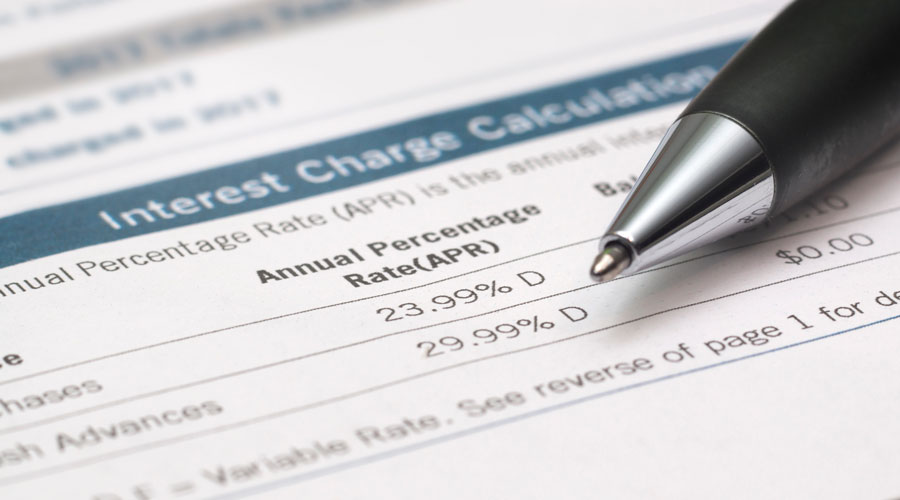
When shopping for a new mortgage loan, you may notice an Annual Percentage Rate (APR) advertised next to the note rate.  The inclusion of an APR is actually mandated by federal law in order to help give borrowers a standard rule of measurement for comparing the total cost of each loan.

The APR is designed to represent the “true cost of a loan” to the borrower, expressed in the form of a yearly rate to prevent lenders from “hiding” fees and up-front costs behind low advertised rates.

What Fees Are Typically Included In APR?

  • Origination Fee
  • Discount Points
  • Buydown funds from the buyer
  • Prepaid Mortgage Interest
  • Mortgage Insurance Premiums
  • Other lender fees (application, underwriting, tax service, etc.)

Since origination fees, discount points, mortgage insurance premiums, prepaid interest and other items may also be required to obtain a mortgage, they need to be included when calculating the APR.

Fees such as title insurance, appraisal and credit are not included in calculating the APR.

The APR can vary between lenders and programs due to the fact that the federal law does not clearly define specifically what goes into the calculation, .

What Does APR Not Disclose?

  • APR on a loan tied to a market index, like a 5/1 ARM, assumes the market index will never change.  But Adjustable Rate Mortgages always change over the course of 30 years.
  • Balloon Payments
  • Prepayment Penalties
  • Length of Rate Lock
  • Comparison between loan terms – EX:  A 15-year term will have a higher APR simply because the fees are amortized over a shorter period of time compared to a similar rate / cost scenario on a 30-year term.

APR Comparing Examples:

  • Bank (A) is offering a 30 year fixed mortgage at 8.00% APR
  • Bank (B) is offering a 30 year fixed mortgage at 7.00% Note Rate

Easy choice, right?

While Bank (B) is advertising the lowest Note Rate, they’re not factoring in the origination points, underwriting / processing fees and prepaid mortgage interest (first month’s mortgage payment), which could essentially make the APR much higher than the one Bank (A) is advertising.

However, Bank (A) may show a higher rate due to the APR, but they could actually charging a lot less in total fees than Bank (B).

…..

Before lenders and mortgage brokers were required to state the APR, it was more difficult to find the truth about the total borrowing costs of one loan vs another.

When comparing mortgage rates, it’s a good idea to ask your lender which fees are included in their APR quote.

_________________________________

Related Mortgage Rate Articles:

Mortgage

How Are Mortgage Rates Determined?

Many people believe that interest rates are set by lenders, but the reality is that mortgage rates are largely determined by what is known as the Secondary Market.


The secondary market is comprised of investors who buy the loans made by banks, brokers, lenders, etc. and then either hold them for their earnings, or bundle them and sell them to other investors.

When the secondary market sells the bundles of mortgages, there are end investors who are willing to pay a certain price for those loans.

That market price of those Mortgage Backed Securities (MBS) is what impacts mortgage rates.

Typically, investors are willing to accept a lower return on mortgage backed securities because of their relative safety compared to other investments.

This perception of safety is due to the implied government backing of Fannie Mae and Freddie Mac and the fact that the Mortgage Backed investments are based on real estate collateral.

So, if the loan defaults there is real property pledged against potential losses.

In contrast, other investments are considered more risky, specifically stocks which are based on earnings and profit vs real property.  The movement between the two investment vehicles often dictates mortgage rates.

Why Do Mortgage Rates Change?

  • Mortgage rates fluctuate based on the market’s perception of the economy.
  • Stocks are considered riskier investments, and therefore have an expected higher rate of return to compensate for that risk.
  • When the economy is thriving, it is presumed that companies will perform better, and therefore their stock prices will move higher.
  • When stock prices move higher – MBS prices generally move lower.  Mortgage Backed Securities, however, thrive when the economy is perceived as not doing well.
  • When investors forecast a faltering economy, they worry that the return on stocks will be lower, so they frequently engage in a ‘flight to safety’ and buy more secure investments such as Mortgage Backed Securities.  Mortgage rates are actually based on the yield of those Mortgage Backed Securities.
  • Bonds are sold at a particular price based on their value in relation to other available investments.  When a bond is sold it yields a certain return based on that original purchase price.  As the prices of the MBS increases because investors seek their safety, the yield decreases.
  • Conversely, when investors seek the higher returns of stocks and the MBS are purchased in lesser quantities the price goes down.  The lower price results in a higher yield, and this yield is what determines mortgage rates.

How Would I Know if Rates are Expected to Go Up or Down?

UP:

  • When the economy is growing or is expected to grow, stocks will likely become the more favored investment.
  • When investors buy more stocks, they purchase fewer MBS, which drives the price down.
  • When the price of the MBS is lower, the yield increases.
  • Since mortgage rates are based on the yield of the 30 Year MBS, you would expect rates to increase in this environment.

DOWN:

  • When the economy appears to be slowing or is doing poorly, investors typically move their money out of the stock market and into the safety of the MBS.
  • This drives the price of these investments higher, which results in a lower yield.
  • Since mortgage rates are based on the yield of the 30 Year MBS, you would expect rates to decrease in this environment.

…..

Since these market variables and expectations change multiple times as economic reports are released throughout the course of a week, it is not uncommon to see mortgage rates change several times a day.

Understanding how rates move is not necessarily as important as having a loan officer that is equipped with the technology and professional services to track and stay alerted at the precise moment rates make a move for the better or worse.

_________________________________

Related Mortgage Rate Articles:

File photo: Andrey_Popov, Shutter Stock, licensed.

How Do Mortgage Rates Move When The Fed Lowers Rates?

Lower mortgage rates is a common misconception that is perpetuated by the mainstream media perpetuates when the Fed makes an announcement of lowering rates.

However, when the Fed cuts interest rates, mortgage rates tend to increase.

Fed 101:

According to Wikipedia:

The Federal Reserve System (also referred to as the Federal Reserve, and informally as the Fed) is the central banking system of the United States.

This system was conceived by several of the world’s leading bankers in 1910 and enacted in 1913, with the passing of the Federal Reserve Act. The passing of the Federal Reserve Act was largely a response to prior financial panics and bank runs, the most severe of which being the Panic of 1907.

Over time, the roles and responsibilities of the Federal Reserve System have expanded and its structure has evolved.Events such as the Great Depression were some of the major factors leading to changes in the system.

Its duties today, according to official Federal Reserve documentation, fall into four general areas:

  1. Conducting the nation’s monetary policy by influencing monetary and credit conditions in the economy in pursuit of maximum employment, stable prices, and moderate long-term interest rates.
  2. Supervising and regulating banking institutions to ensure the safety and soundness of the nation’s banking and financial system, and protect the credit rights of consumers.
  3. Maintaining stability of the financial system and containing systemic risk that may arise in financial markets.

The Federal Reserve controls two key interest rates in this country:

  1. The Federal Funds Rate
  2. The Discount Rate

These are overnight lending rates used by banks when they lend money to each other.

When these rates are low, money is cheaper for banks to borrow, and that “cheap” money spreads throughout the economy.

The aim of the Federal Reserve in it’s interest rate policy is to either speed up or slow down the economy.

In times of economic downturn, the Federal Reserve will cut rates to help create a boost.

Conversely, in times of heavy inflation, the Fed will raise rates to help slow down the economy.

That’s it; speed up or slow down….no tricks.

When the credit crisis begin to spiral in 2007, the Fed cut rates dramatically in hopes of jump-starting the economy.

The Fed keeping rates near zero is an indication that the economy is moving along at a steady pace.

If the economy improves to the point where inflation starts to creep the Fed will begin hiking rates.

The Fed And Mortgage Rates:

Mortgage rates are tied to mortgage bonds, which are traded every day on the secondary market just like stocks.

Bonds are often considered a safer investment than stocks since they yield a constant rate of return.

During times of market turmoil, investors sell their stock holdings and move into bonds (called a “flight to safety” in financial jargon).

Conversely, when the economy is booming, investors move their money away from bonds and into stocks to take advantage of the upswing in the economy.

Remember, The Fed cuts interest rates to boost the economy.

When investors see this boost, they sell their bond holdings and move into stocks.

This movement causes the rates on those bonds to increase naturally as the bonds have to attract new investors with higher rates of return.

As a result, we see mortgage rates increase.

…..

So, the next time you hear the Fed cutting interest rates, don’t assume mortgage rates will simply follow suit.

The rate cut is simply meant to boost the economy, which moves money from bonds to stocks, and causes mortgage rates to rise.

_________________________________

Related Mortgage Rate Articles:

Documents Mortgage Fabio Balbi

Common Documents Required For A Mortgage Pre-Approval

Even though many lenders are still quoting quick 10 minute pre-qualifications over the phone or online, a true mortgage approval that holds any weight is one that has been issued by an underwriter who has had an opportunity to review all of the necessary documents.

With a constant stream of new lending guidelines, volatile mortgage rates and tightening regulation from Washington, very few real estate agents will show new homes to a First-Time Home Buyer without at least a pre-qualification letter.

However, real estate agents representing sellers generally require full underwritten loan approvals which contain only a few contingencies that are due within a few days of accepting an offer.

A Pre-Approval Letter will help you in three ways:

It’s obviously a good idea to get your paperwork prepared ahead of time so that the pre-approval process is as thorough as possible.

In order to get a pre-approval letter, you’ll start by filling out a loan application and submitting a few documents for the loan officer and / or underwriter to review.

Common Loan Pre-Approval Documents:

Income / Assets for Wage Earner:

  • Last 2 year W2s and Tax Returns
  • 2 most recent Pay Stubs
  • 2 most recent Bank Statements, 401(K), Liquid Assets, Investment Accounts

Income / Assets for Self-Employed:

  • Last 2 year Tax Returns – Business and Personal
  • Last Quarter P&L Statement

Letter of Explanation For:

  • Employment Gap or New Line of Work
  • Late Payments / Judgments / Bankruptcy on Credit Report

Other:

  • Bankruptcy Discharge
  • Child Support Documentation
  • Lease Agreements (If own other Rental Properties)
  • Mortgage Payment Coupons (If own other Real Estate)

…..

Most borrowers also want an opportunity to learn more about the loan officer before digging up all of these personal documents.

Spend 15 minutes on the phone asking the loan officer to explain how mortgage rates work, quizzing them on some basic industry vocab or just to see if they know what to prepare your agent for ahead of time.

The Q&A session can be more than just a lender qualifying you, as long as you’re prepared to ask the right questions.

Either way, you’ll definitely want to have the above list of approval documents ready once you’ve decided on the right loan officer that you trust will meet your expectations.

_________________________________

Related Articles – Mortgage Approval Process:

Mortgage

Top 8 Things To Ask Your Lender During The Application Process

Knowing what questions to ask your lender during or before the loan application process is essential for making your mortgage approval process as smooth as possible.

Many borrowers fail to ask the right questions during the mortgage pre-qualification process and end up getting frustrated or hurt because their expectations were not met.

Here are the top eight questions and explanations to make sure you are fully prepared when taking your next mortgage loan application:

1. What documents will I need to have on hand in order to receive a full mortgage approval?

An experienced mortgage professional will be able to uncover any potential underwriting challenges up-front by simply asking the right questions during the initial application and interview process.

Residence history, marital status, credit obligations, down payment seasoning, income and employment verifications are a few examples of topics that can lead to stacks of documentation required by an underwriter for a full approval.

There is nothing worse than getting close to funding on a new home just to find out that your lender needs to verify something you weren’t prepared for.

2. How long will the whole process take?

Between processing, underwriting, title search, appraisal and other verification processes, there are obviously many factors to consider in the overall time line, which is why communication is essential.

As long as all of the documents and questions are addressed ahead of time, your loan officer should be able to give you a fair estimate of the total amount of time it will take to close on your mortgage.

The main reason this question is important to ask up-front is because it will help you determine whether or not the loan officer is more interested in telling you what you want to hear vs setting realistic expectations.

You should also inquire about anything specific that the loan officer thinks may hold up your file from closing on time.

3. Are my taxes and insurance included in the payment?

This answer to this question affects how much your total monthly payment will be and the total amount you’ll have to bring to closing.

If you include your taxes and insurance in your payment, you will have a higher monthly payment to the bank but then you also won’t have to worry about coming up with large sums of cash to pay the taxes when they are due.

4. Will my payment increase at any point after closing?

Most borrowers today choose fixed interest rate loans, which basically means the loan payment will never increase over the life of the loan.

However, if your taxes and insurance are included in your payment, you should anticipate that your total payment will change over time due to increases in your homeowner’s insurance premiums and property taxes.

5. How do I lock in my interest rate?

It’s good to know what the terms are and what the process is of locking in your interest rate.

Establishing whether or not you have the final word on locking in a specific interest rate at any given moment of time will alleviate the chance of someone else making the wrong decision on your behalf.

Most loan officers pay close attention to market conditions for their clients, but this should be clearly understood and agreed upon at the beginning of the relationship, especially since rates tend to move several times a day.

6. How long will my rate be locked?

Mortgage rates are typically priced with a 30 day lock, but you may choose to hold off temporarily if you’re purchasing a foreclosure or short sale.

The way the lock term affects your pricing is as follows: The shorter the lock period, the lower the interest rate, and the longer the lock period the higher the interest rate.

7. How does credit score affect my interest rate?

This is an important question to get specific answers on, especially if there have been any recent changes to your credit scenario.

There are a few key factors that can influence a slight fluctuation in your credit score, so be sure to fill your loan officer in on anything you can think of that may have been tied to your credit.

8. How much will I need for closing?

*The new 2010 Good Faith Estimate will essentially only reflect what the maximum fees are, but will not tell you how much you need to bring to closing.

Ask your Loan Officer to estimate how much money you should budget for so that you are prepared at the time of closing.

Your earnest money deposit, appraisal fees and seller contributions may factor into this final number as well, so it helps to have a clear picture to avoid any last-minute panic attacks.

…………

Now that you have the background to these eight important questions, you should feel more confident about finding a mortgage company that can serve your personal needs and unique scenario.

Remember, the more you understand about the entire loan process, the better your experience will be.

Most frustration that is experienced during the home buying and approval process is largely due to unclear expectations.

You can never ask too many questions…

_________________________________

Related Articles – Mortgage Approval Process:

VA Mortgage Loans

VA Mortgage Loans

VA Mortgage Loans
A Veterans Administration home loan can be used to purchase a home or refinance an existing mortgage. File photo: Evgeny Atamanenko, Shutter Stock, licensed.

Veterans Administration Home Loans

A VA (Veterans Administration) guaranteed home loan is the preferred loan program for active, non-active, Reserve, National Guard, and retired military of the armed forces because there is no down payment needed and no private monthly mortgage insurance required.

A VA home loan can be used to purchase a home or refinance an existing mortgage.

We will discuss what role the VA plays in a VA guaranteed mortgage, the benefits of a VA home loan, who is eligible for a VA loan, and the VA documentation you will need to present to your lender.

Did you know that more than 27 million veterans and service personnel are eligible for VA financing, yet most aren’t aware it may be possible for them to buy homes again with VA financing using remaining or restored loan entitlement?

VA Does Not Offer Loans Directly and Does Not Guaranty You Will Qualify.

VA does not actually lend the money to you directly. They offer a guaranty to a lender that if you should default on the loan, they will pay the lender a percentage of the loan balance. The word GUARANTY does not actually guarnatee the veteran will qualify for a VA home loan.

Primary Benefits of a VA Home Loan:

  • 100% financing
  • No monthly private mortgage insurance is required
  • There is a limitation on buyers closing costs
  • The loan is assumable, subject to VA approval of the assumer’s credit
  • 30 year fixed loan
  • Seller can pay up to 4% of the veterans closing costs and even pay down your debt to help lower your debt-to-income ratio
  • Interest rates are similar to FHA rates
  • You don’t need perfect credit

Who is Eligible for a VA Home Loan?

Veterans with active duty service, that was not dishonorable, during World War II and later periods, are eligible for VA loan benefits. World War II (September 16, 1940 to July 25, 1947), Korean conflict (June 27, 1950 to January 31, 1955), and Vietnam era (August 5, 1964 to May 7, 1975) veterans must have at least 90 days of service.

Veterans with service only during peacetime periods and active duty military personnel must have had more than 180 days of active service. Veterans of enlisted service which began after September 7, 1980, or officers with service beginning after October 16,1981, must in most cases have served at least 2 years.

VA Documentation Needed:

The three specific pieces of documentation a lender will need to determine your eligibility is a DD214 for discharged veterans, a statement of service for active military personnel, and a certificate of eligibility (COE) to determine you have VA entitlement.

Because each lender has different qualifying guidelines, the next step is to contact your lender to find out if you meet their qualifying criteria such as minimum FICO/credit scores, debt-to-income (DTI) ratios, and find out what your county’s maximum loan amount is. Your lender can help you attain your certificate of eligibility on your behalf.

…..

Frequently Asked Questions:

Q: Are the children of a living or deceased veteran eligible for the home loan benefit?

No, the children of an eligible veteran are not eligible for the home loan benefit.

Q: How can I obtain proof of military service?

Standard Form 180, Request Pertaining to Military Records, is used to apply for proof of military service regardless of whether you served on regular active duty or in the selected reserves. This request form is NOT processed by VA.

Rather, Standard Form 180 is completed and mailed to the appropriate custodian of military service records. Instructions are provided on the reverse of the form to assist in determining the correct forwarding address.

Q: Is the surviving spouse of a deceased veteran eligible for the home loan benefit?

The unmarried surviving spouse of a veteran who died on active duty or as the result of a service-connected disability is eligible for the home loan benefit.

The Closing Process

The Closing Process

The closing process is arguably the most critical part of a real estate transaction where the most amount of things can go wrong. This is where a professional team will prove their value. File photo: Fizkes, Shutter Stock, licensed.

Ensuring A Smooth, Painless Closing

The home buying process is full of paperwork, important dates, contracts, market movements and checklists that can even overwhelm seasoned real estate investors.

One of the main reasons to make sure you’re working with a professional real estate buying team, is the fact that you get to lean on their combined experience to ensure a smooth and painless closing.

Some agents and loan officers can close upwards of 20+ transactions a month. Compared to the 5-7 homes an adult may purchase in his/her lifetime, you can obviously see where it helps to have a few trusted professionals in your corner.

Helpful Link: Talk The Talk – Know The Mortgage Lingo At Closing

The closing process can be argued as the most critical part of a real estate transaction where the most amount of things can go extremely wrong.  This is where that professional team will really prove their value.

If all of the initial questions, concerns, documents and contingencies were addressed early in the mortgage approval and home shopping process, then you should feel confident about walking into the closing process with all bases covered.

However, we’ve listed a few bullets, links and frequently asked questions on this page to help highlight a few important topics you may want to be aware of during the closing process.

Six Prior-To-Closing Conditions That Can Delay Your Escrow:

Even though your lender may have provided a Pre-Approval and/or Mortgage Commitment Letter, there may still be several conditions that could delay a closing.

Sometimes buyers and agents let their guard down with the relief of getting closing documents to title, and they forget that there may still be a bunch of work to be done.

Prior-to-Closing conditions are items that an underwriter would require after reviewing your file, which could simply be an updated pay-stub, a letter of explanation of recent credit inquiries or more clarification on information found in a tax return.

Here are a list of a few Prior-to-Closing conditions you should be aware of:

1. Updated Income/Asset Documentation-

You may have supplied your lender with a mountain of documentation, but make sure you continue to save all of your new paystubs and financial statements as you move through the process.

Chances are your lender will want updated documents as you get closer to closing.

2. Credit Inquires –

If you have had recent inquires on your credit report, a lender may check to see if any new credit has been extended that may not yet actually appear on your report.

An inquiry could be for something minor such as a new cell phone, but can also be something that will impact your ability to qualify for the loan such as a car payment or another loan that you co-signed to help out a family member.

……(read more on Credit Inquires)

3. Employment Verification-

Your lender will be making sure you are still actively employed in the position that is listed on your loan application, and they will do this more than once in the process.

So make sure regular life events, such as maternity leave or a scheduled surgery, have been brought to your loan officer’s attention ahead of time.

Once an underwriter starts to uncover surprises, they may hold a file up for a while to do a bunch of unnecessary digging to find out if there are any other issues that the borrower failed to mention.

4. Funds for Closing-

Lenders will want to source where every dollar for the transaction is coming from and verify that it has been deposited into your bank account. If funds need to be liquidated from a retirement account or home equity line start the process sooner rather than later.

Sometimes banks will not release all of the funds immediately after a large deposit so it is important to have these in place well ahead of your closing date. The same applies for Gift Funds-make sure the donor is aware of your time frame and is willing to supply the required documentation to your lender.

……(read more on Making Sure Your Cash To Close Comes From Proper Source)

5. Title and Judgment Searches –

Typically, title and judgment searches are performed farther along in the mortgage process because they are not ordered until after you receive your mortgage commitment. These searches could reveal judgments against your name or the sellers along with liens against the property you are buying or selling.

Sometimes, even an old mortgage appears against the property since it was never properly discharged, or if you have a common name items could appear that are really not yours.

Either way, the underwriter and title company will want to be sure that these are cleared up before the closing.

……(read more on Title and Judgment Searches)

6. Homeowners and Flood Insurance Coverage –

Lenders want to review your policy several days prior to closing to make sure coverage is sufficient and accurately account for it in your monthly payment.

Insurance coverage can sometimes be difficult to obtain depending your past history with claims, credit, location and type of the property.

……(read more on Homeowners and Flood Insurance Coverage)

Items To Bring To Closing Appointment:

Your real estate agent and/or mortgage loan officer should be providing you with a final list of documents that need signatures or updated verifications, so the general list of items needed at closing is quite basic:

1.  Funds To Close –

If you are required to bring in a down payment and/or pay for closing costs to finalize the transaction, you’ll need to bring a certified check from a bank.  The escrow company, your agent and loan officer should provide you with a full breakdown of all fees / costs involved in the transaction.

While these final numbers may be more accurate than the initial Good Faith Estimated which was provided at the beginning of the application process, there will still be a small buffer amount added by escrow to cover any prepaid interest or other minor changes.

If you don’t have to bring in any funds to close, then you might actually be getting a portion of the Earnest Money Deposit back.

Keep in mind, it is important to make sure these funds to close come from the proper sources.

2.  Proof of Identification –

Official Drivers License or State ID card.  Passports will work as well.  However, a 24-Hour Fitness, Costco or other retail membership card won’t be acceptable.

……

Frequently Asked Questions:

Q:  Does It Matter Which Day of the Month I Close?

The date of your closing is all about how you view the money being applied. Pay now or pay later, but it will always be collected.

Let’s first look at how mortgage payments are broken down:

When you pay your rent for the month, you are actually paying for the right to live in the house for the upcoming month.

However, your mortgage payment is broken into four separate components; principle, interest, taxes and insurance (PITI).

The principle is paid towards the upcoming month, interest is paid towards the previous month and the taxes and insurance are deposited into an impound account.

As far as closing on a particular day of the month to save money on interest payments, it depends on the type of loan program you are using.

If you’re more concerned about successfully closing with the least amount of stress, then early to mid month is usually the best time to close.

Q:  I am refinancing an FHA loan, will it benefit me to close in the beginning of the month?

No, in fact FHA refinances should always close at the end of the month because you are responsible for the entire months interest.

Q:  Should I be concerned about the closing date on a conventional loan refinance?

Not really, however you can save a couple dollars by closing early in the month, just avoid closing on a Friday because you could be responsible for the interest on two loans over the weekend.

Mortgage Rates

About Mortgage Rates

File photo: Andrey_Popov, Shutter Stock, licensed.
Understanding how interest rates work will help relieve a lot of unnecessary anxiety about the home financing process. File photo: Andrey Popov, Shutter Stock, licensed.

Getting The Best Interest Rate

Interest rates are impacted by a borrower’s credit score, loan term, mortgage program and a series of market factors that are outside of our control.

Unfortunately, many advertisers will tease a low interest rate in a marketing campaign for the purpose of creating interest in a specific loan program which may only fit a unique type of qualified borrower.

However, by promoting a lower note rate, with a higher APR, lenders are able to control the flow of the inbound phone call or Internet lead.

Understanding how interest rates work will certainly help relieve a lot of unnecessary anxiety about the home financing process.

While loan programs, credit scores and outside economic factors tend to control mortgage rates, borrowers do have the option of paying more up-front at the time of closing in the form of a discount point or loan origination fee in order to secure a lower interest rate.

Alternatively, borrowers currently have the option of taking a slightly higher rate in exchange for lower closing costs.  This particular rate / closing cost scenario is sometimes referred to as a “No Closing Cost Loan” option, or something similar.

Mortgage Rate Basics:

How Are Mortgage Rates Determined?

Many people believe that interest rates are set by lenders, but the reality is that mortgage rates are largely determined by what is known as the Secondary Market.

The secondary market is comprised of investors who buy the loans made by banks, brokers, lenders, etc. and then either hold them for their earnings, or bundle them and sell them to other investors.

When the secondary market sells the bundles of mortgages, there are end investors who are willing to pay a certain price for those loans.

…..read more about (Secondary Markets)

Top Five Market Factors That Influence Mortgage Rates

Timing the market for the best possible opportunity to lock a mortgage rate on a new loan is certainly a challenge, even for the professionals.

While there are several several generic interest rate trend indicators online, the difference between what’s advertised and actually attainable can be influenced at any given moment by at least 50 different variables in the market, and with each individual loan approval scenario.

Outside of the borrower’s control, the mortgage rate marketplace is a dynamic, volatile living and breathing animal.

Lenders set their rates every day based on the market activities of Mortgage Bonds, also know as Mortgage Backed Securities (MBS).

On volatile days, a lender might adjust their pricing anywhere from one to five times, depending on what’s taking place in the market.

Inflation, The Federal Reserve, Unemployment, Gross Domestic Product and Geopolitics are a few of the items you can pay attention to if you’re trying to track rates for 30 day lock.

…..read more about (Rate / Market Indicators)

8 Questions Your Lender Should Be Able To Answer About Mortgage Rates

Simply checking online for today’s posted rate may not lead to your expected outcome due to the many factors that can cause each individual rate and closing cost scenario to fluctuate.

Since mortgage rates can change several times a day, it’s more important to pre-qualify your lender about his/her competency level with regards to mortgage rates.

If your lender doesn’t know what to look for or how to answer some basic questions, there is a good chance you may not ever see that initial interest rate you were quoted.

…..read more about (Mortgage Rate Questions)

What’s The Difference Between Note Rate and APR?

Low rates with a high APR may or may not be the best deal.

Comparing apples to apples is the best way to determine which loan closing cost and rate scenario makes sense for your short and long-term financial goals.

…..read more about (Comparing Mortgage Rates)

How Do Mortgage Rates Move When The Fed Lowers Rates?

The traditional news media generally announces mortgage rate movement a few days too late, or when rates are moving in the opposite direction of where we need them to go.

One of the big misconceptions most people have about mortgage rates is that the Fed, and / or Federal Government control what mortgage rates look like every day.

…..read more about (The Fed and Rates)

…..

Related Mortgage Rate Video: